Environmental PU Synthetic Leather Factory: A Guide
An environmental PU synthetic leather factory is a manufacturing facility that produces polyurethane-based synthetic leather using processes and materials designed to reduce environmental impact. These factories typically focus on lowering solvent emissions, conserving energy, and using recycled or bio-based content where possible.
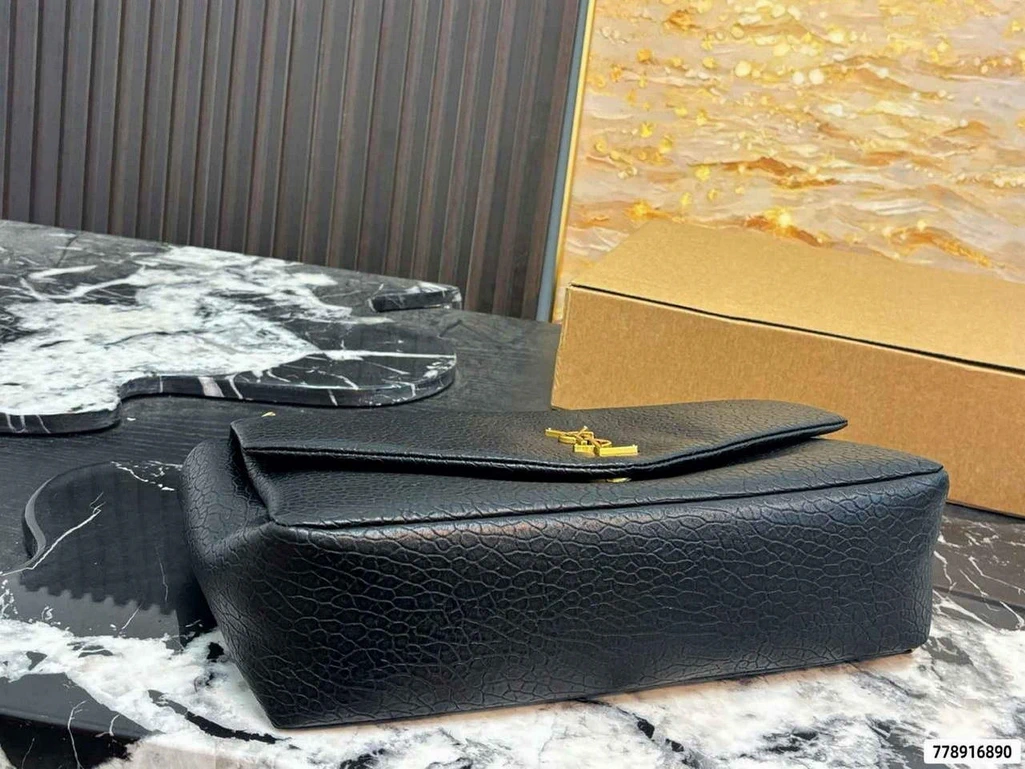
What Makes a PU Synthetic Leather Factory Environmental?
Environmental performance in a PU synthetic leather factory usually comes from two areas: the chemistry and the manufacturing process. Water-based or solvent-free PU systems can significantly reduce volatile organic compound (VOC) emissions compared with traditional solvent-based coatings. Factories may also invest in heat recovery, closed-loop water systems, and waste reduction to further lower their footprint.
How Does Environmental PU Compare to Other Materials?
Compared with PVC synthetic leather, PU is often considered a more environmentally friendly option because it can avoid chlorine-based chemistry and may biodegrade under certain conditions. However, the overall impact depends on the specific formulation, energy source, and end-of-life handling. Buyers should ask for material certifications and test reports to verify environmental claims.
Where Can You Source Environmental PU Leather?
Many suppliers are located in Asia, and a China bag factory often works with PU leather producers to create eco-conscious bags and accessories. When evaluating a factory, request details on raw materials, production audits, and chemical management. This helps ensure the material aligns with your sustainability goals and regulatory requirements.
常见问题
Is environmental PU synthetic leather biodegradable?
Some PU synthetic leathers are designed to biodegrade under specific conditions, but biodegradability depends on the formulation and disposal environment. It is best to ask the factory for test data and certifications rather than assuming all PU leather will biodegrade.
How can I verify a factory's environmental claims?
Request third-party certifications such as OEKO-TEX or Global Recycled Standard, along with material safety data sheets and audit reports. Visiting the factory or using a reputable inspection service can also help confirm that environmental practices match the claims.
What is the difference between PU and PVC synthetic leather?
PU (polyurethane) leather generally avoids chlorine and can be produced with water-based or solvent-free systems, while PVC (polyvinyl chloride) leather uses chlorine-based chemistry and often contains plasticizers. PU is often viewed as the more environmentally friendly option, though the actual impact depends on the specific production methods.